
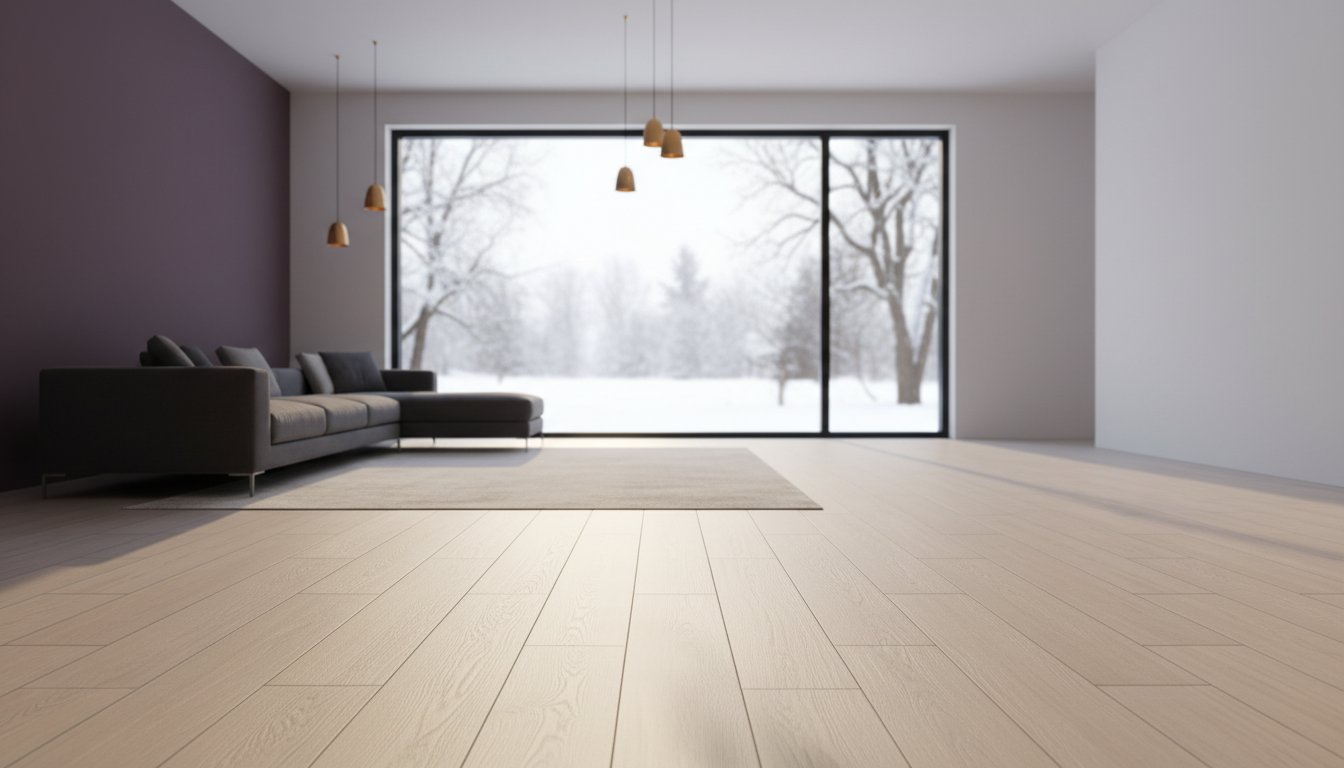
You shouldn’t have to choose between the timeless elegance of hardwood and the functional reality of your daily life. While real oak or walnut brings undeniable warmth, the constant fear of moisture damage or the fatigue of refinishing often turns a beautiful floor into a source of stress. This is where tile that looks like wood transforms the conversation. It’s no longer a compromise for the budget-conscious; it’s a premier design choice for homeowners who demand both high-end aesthetics and unmatched durability.
We understand that your home is a sanctuary that must withstand everything from kitchen spills to the harsh salt and slush of a Newark winter. You’ll learn how to achieve a sophisticated look that increases your property value while providing an easy-to-clean surface for your most active rooms. This guide explores the critical technical differences between porcelain and ceramic, the latest 2026 trends in Scandinavian oak finishes, and the essential TCNA standards required for a flawless installation. Discover how inspired design and professional precision can create a space that feels as good as it looks. Perfection is in every detail.
Key Takeaways
- Modern high-definition printing has bridged the gap between nature and technology, offering hyper-realistic textures that replicate the soul of natural timber without the maintenance.
- Selecting the right foundation involves understanding the density of porcelain versus ceramic to ensure long-term structural integrity in your specific home environment.
- Utilizing tile that looks like wood in wide-format planks can dramatically transform the perceived scale and luxury of your open-concept living areas.
- Professional installation standards, including meticulous subfloor preparation and radiant heat integration, turn a traditionally cold surface into a warm, functional masterpiece.
- Strategic flooring choices in basement finishing and whole-home renovations create a cohesive aesthetic that significantly enhances your property’s long-term market value.
The Evolution of Wood-Look Tile: Aesthetic Warmth Meets Structural Integrity
Wood-look tile represents a pinnacle of modern engineering. It is a high-definition porcelain or ceramic plank designed to capture the soul of natural timber while offering the resilience of stone. In the early 2000s, these products often looked repetitive and synthetic, often relegated to low-budget projects. Today, digital inkjet printing technology allows for a level of detail that challenges the naked eye. We see this as the intersection of inspired design and functional living. For the discerning homeowner in Newark, it’s about more than just looks. It is about structural integrity. Our local climate demands materials that can handle shifting temperatures and humidity without warping. This is biophilic design at its finest. It brings the soothing, organic textures of the outdoors into your private sanctuary without the maintenance burden of organic materials.
Why Homeowners are Choosing Tile Over Hardwood
Real wood is beautiful but inherently fragile. In high-moisture areas like bathrooms or high-traffic laundry rooms, hardwood is often a liability. Tile offers superior moisture resistance that real planks cannot match. It provides essential scratch and dent protection for households with active pets or growing children. Beyond durability, these materials are fire-resistant and feature zero VOC emissions. This ensures a healthier home environment. When you choose tile that looks like wood, you are investing in a premier surface that maintains its perfection for decades.
Authenticity Factors: Texture, Variation, and Grain
Authenticity is found in the details. We prioritize “V-ratings,” which measure shade variation. A V4 rating ensures a natural, non-repeating look across your entire floor, mimicking the unique character of a forest. High-definition printing captures every knot, mineral streak, and growth ring with startling clarity. Modern manufacturing also adds physical depth. Hand-scraped and wire-brushed textures make the tile that looks like wood feel authentic underfoot. Understanding the technical composition of Ceramic and porcelain tiles is the first step in appreciating this technological leap. It’s a masterpiece of precision. Crafted with excellence. Designed to last.
Porcelain vs. Ceramic: Selecting the Right Foundation for Your Home
Selecting the right foundation for your flooring is a matter of long-term integrity. While both materials can create a stunning tile that looks like wood, the performance differences are significant. Porcelain stands as the premier choice for whole-home renovations. It is denser, heavier, and crafted to endure. We view the selection process as a technical necessity rather than a mere aesthetic choice. Your floor must survive the reality of your lifestyle while maintaining its visual brilliance.
The Porcelain Enamel Institute (PEI) rating is your guide to durability. For high-traffic kitchen floors, we recommend a PEI 4 or 5. These ratings ensure the surface resists the wear of daily life without losing its luster. Understanding these numbers helps you avoid maintenance fatigue later. Consider these standards for your project:
- PEI 1-2: Reserved for wall applications or very light residential traffic.
- PEI 3: Suitable for residential areas with moderate foot traffic like bedrooms.
- PEI 4: The premier standard for busy kitchens and main living areas.
- PEI 5: Maximum durability designed to withstand heavy traffic and abrasive conditions.
The Science of Porcelain Durability
Porcelain undergoes an intense, high-temperature firing process. This creates a state of vitrification. Vitrification is the process that renders tile nearly impervious to water. According to industry standards for Porcelain vs. Ceramic, porcelain must have a water absorption rate of less than 0.5%. This makes it the gold standard for wet zones, basements, and mudrooms. It is a material that respects the boundaries of science and the needs of a modern home. This technical mastery ensures that moisture never compromises the structural integrity of your subfloor.
When to Choose Ceramic Wood-Look Planks
Ceramic still has its place in a visionary home design. It is an ideal choice for accent walls during a luxury bathroom remodel. Ceramic is lighter and easier to cut than its porcelain counterpart. This flexibility makes it perfect for intricate custom carpentry integrations or guest laundry rooms where floor traffic is minimal. It provides the aesthetic of timber without the unnecessary density in low-traffic spaces. It is about precision in application. If you aren’t sure which path to take, reach out to us for a professional consultation on your material layout.
Through-body color is another hallmark of a premier tile that looks like wood. In high-end porcelain, the pigment runs through the entire tile rather than just the surface glaze. If a heavy object drops and creates a small chip, the damage is nearly invisible because the color is consistent throughout the material. This is the difference between a surface-level fix and a lasting investment. Perfection in every detail ensures your home remains a masterpiece for years to come.

Beyond the Plank: Creative Patterns and Modern Design Trends
Design is a language of transformation. When we envision a high-end renovation, we look beyond the material itself to the rhythm it creates within a room. Successfully transforming a space with tile that looks like wood involves more than just selecting a color. It requires a visionary approach to layout. The shift toward larger, wider planks is a defining trend for 2026. Planks reaching up to 48 inches in length create a sense of expansive luxury. Fewer grout lines mean less visual noise. This creates a seamless flow that makes even modest rooms feel grand. It is about inspired design. Functional living. Perfection in every detail.
Using tile that looks like wood to create a continuous floor throughout an open-concept home is a premier strategy for modern living. It eliminates the jarring transitions between kitchens, dining areas, and living rooms. This continuity provides a grounded, reliable foundation for your entire interior. For those exploring open shelving kitchen ideas, a textured wood-look floor adds the necessary organic warmth to balance minimalist cabinetry. It bridges the gap between rustic charm and modern precision.
Timeless Layouts: Herringbone and Chevron
The pattern you choose dictates the energy of the space. A herringbone layout is a sophisticated choice that adds movement and architectural interest to entryways or mudrooms. It feels intentional. It feels crafted. Conversely, chevron patterns offer a sharper, more geometric vibe that suits contemporary designs. Achieving these intricate designs requires strict adherence to Tile Council of North America installation guidelines to ensure pattern alignment and long-term stability. Precision in the planning phase prevents layout errors that could compromise the integrity of the final look.
Mixing Textures and Colors
A truly high-end home refuses to be one-dimensional. We often combine wood-look planks with stone-look elements to create a spa-like ensuite that feels both warm and cooling. You might use darker walnut tones to anchor a bright, modern kitchen upgrade, providing a rich contrast to white quartz or marble. The transition from your tile floor to custom carpentry features should be flush and deliberate. This level of detail is what separates a standard remodel from a TGM masterpiece. We don’t just lay floors. We build legacies of style. Every cut is made with precision. Every choice is made with integrity.
The Reality of Installation: Grout, Spacing, and Underfloor Heating
Excellence begins with what you cannot see. The integrity of a premium floor depends entirely on the quality of the substrate. For tile that looks like wood, a perfectly level surface is mandatory. Large-format planks are inherently unforgiving. Any dip or crown in the subfloor leads to “lippage,” where tile edges sit at different heights. We address this during the critical phase of framing and carpentry. Our standards follow the TCNA requirement of a maximum variance of no more than 1/8 inch over a 10-foot span. This precision ensures your floor is a flat, stable masterpiece. It’s the difference between a floor that lasts and one that fails. Crafted with precision. Perfection in every detail.
The Secret to Seamless Floors: Rectified Edges
To achieve a truly seamless look that mimics real hardwood, you must choose rectified tile. These planks are machine-cut after firing to ensure 90-degree precision on every edge. This allows for 1/16-inch grout lines, which is the industry standard for tile that looks like wood. We recommend high-performance epoxy or pre-mixed grouts for several reasons:
- They offer superior stain and crack resistance compared to cement-based grout.
- We select colors that match the darkest grain in the tile to create a monolithic appearance.
- Tight spacing tricks the eye into seeing a continuous timber surface rather than individual tiles.
Radiant Heating: A Newark Necessity
Newark winters are famously unforgiving. A common objection to tile is that it feels cold underfoot, but we view this as an opportunity for superior comfort. Tile is the most efficient conductor for underfloor heating systems available today. Whether you choose an electric system for a bathroom or a hydronic system for a whole-home renovation, the thermal mass of the tile holds heat for hours. We often integrate Schluter-DITRA-HEAT systems into our basement finishing and bathroom projects. This technology provides both luxurious warmth and uncoupling protection. It prevents the tile from cracking if the home’s foundation shifts. It is functional living at its most refined.
A successful installation is a blend of technical mastery and aesthetic sensibility. If you are ready to elevate your home with a floor that combines the warmth of wood with the endurance of stone, contact our design team to start your transformation. We don’t just lay tile; we build legacies of style and integrity. Every project is a reflection of our commitment to excellence.
Integrating Wood-Look Tile into Your Newark Home Transformation
Newark homes often feature expansive basements and complex layouts that demand a visionary approach to flooring. Integrating tile that looks like wood into these spaces requires more than just picking a color. It requires a deep understanding of our local environment. In Wayne County, basement finishing projects face the constant reality of hydrostatic pressure and seasonal moisture. Hardwood isn’t a viable choice for these areas. Porcelain tile provides the aesthetic warmth of timber with the structural integrity required for subterranean living. It is the premier choice for homeowners who refuse to compromise on style or safety.
For whole-home renovations, consistency is the hallmark of luxury. Using the same flooring throughout the main level creates an uninterrupted visual path. This flow guides the eye and naturally enlarges the feel of your home. We take a “Master Craftsman” approach to every layout. This means we align the tile grain and plank direction with your custom cabinetry and architectural features. If the tile layout doesn’t harmonize with the species of your kitchen island or built-in bookshelves, the design feels fragmented. Our interior design team coordinates these textures to ensure a high-end, cohesive result. It’s about precision. Perfection in every detail.
Application: The Luxury In-Law Suite
In-law suites demand a delicate balance of accessibility and elegance. Seniors deserve a space that feels cozy and residential rather than clinical. Wood-look tile offers the visual comfort of a traditional bedroom with the durability needed for walkers or wheelchairs. When selecting materials for aging-in-place designs, we prioritize a Dynamic Coefficient of Friction (DCOF) rating of 0.42 or higher. This technical standard ensures superior slip resistance in bathrooms and kitchenettes. It is functional living at its most refined. It provides security without sacrificing the “dream home” aesthetic.
Value-Added: Impact on Resale in the Newark Market
Local buyers in the Newark market prioritize longevity and low maintenance. They understand that our winters are hard on organic materials. A professionally installed wood-look tile floor adds significant resale value because it eliminates the future cost of refinishing. While DIY attempts often result in uneven grout lines or poor subfloor prep, a professional installation ensures the floor remains a masterpiece for decades. Integrity is built into every layer. A high-end floor isn’t just a surface. It is the foundation of your home’s long-term value. Every project we touch is crafted with excellence. Every choice is made with honesty. Your home deserves nothing less.
Building Your Legacy with Inspired Design
Your home is a reflection of your standards. Choosing tile that looks like wood is a strategic investment. It balances the organic beauty of nature with the uncompromising strength of modern technology. The right material selection and a precision-focused installation transform a high-traffic space into a sanctuary of style. From the density of porcelain to the luxury of underfloor heating, every detail contributes to a home that’s as functional as it is beautiful.
At TGM Contracting & Remodeling, we bring a Master Craftsman mindset to every project. We’re Owner-Operated. We’ve served Newark and Wayne County with integrity since 2008. Our mastery in custom carpentry and interior design ensures your renovation is handled with professional pride. Inspired Design. Functional Living. Crafted with Precision. Perfection in Every Detail.
Transform your home with a premier design-build partner. Contact TGM today.
Let’s turn your vision into a lasting reality where excellence is the standard and your dream home becomes a reality.
Frequently Asked Questions
Is wood-look tile more expensive than real hardwood?
Wood-look tile is often more cost-effective than high-end hardwood when you factor in long-term maintenance. While initial material costs for porcelain commonly range from $5 to $15 per square foot, you’ll never face the recurring expense of professional sanding or refinishing. It offers a premier aesthetic without the future financial burden of natural timber. This makes it a smart investment for homeowners prioritizing both beauty and fiscal integrity.
Does wood-look tile feel cold on your feet?
Tile is naturally cooler than wood, but this characteristic makes it the most efficient conductor for underfloor heating. In a Newark winter, a standard tile floor might feel brisk without assistance. However, when paired with a radiant system, it holds thermal mass longer than almost any other material. It transforms a perceived weakness into a luxurious, warm foundation for your functional living space. It’s a masterpiece of comfort when installed correctly.
What is the best grout color for tile that looks like wood?
The best grout color is one that matches the darkest grain or “shadow” within the tile pattern. Selecting a slightly darker shade helps the grout lines disappear, creating the illusion of a continuous timber surface. We recommend using high-performance epoxy grouts to prevent staining and maintain that perfection in every detail. This technique is essential for achieving an authentic, high-end look with tile that looks like wood.
Can I install wood-look tile in my shower or on bathroom walls?
You can absolutely install wood-look tile in showers and on bathroom walls to create a sophisticated, spa-like atmosphere. Porcelain is the preferred choice for these wet zones because its water absorption rate is less than 0.5%. It brings the organic warmth of a sauna to your home without the risk of rot, warping, or mold. It’s a masterful way to integrate inspired design into your most private spaces.
How do I clean and maintain wood-look porcelain tile?
Maintenance is remarkably simple and requires no specialized chemicals or heavy equipment. Regular sweeping and a damp mop with a pH-neutral cleaner are usually sufficient to keep the surface pristine. Unlike real timber, tile that looks like wood doesn’t require sealing, waxing, or oiling to maintain its luster. It’s designed for busy households that value both high-level aesthetics and effortless daily upkeep.
Does wood-look tile increase the resale value of my home?
High-quality tile installations significantly increase your home’s resale value by offering a durable, low-maintenance flooring solution. Buyers in the Wayne County market specifically look for materials that withstand moisture and heavy foot traffic. A professionally installed porcelain floor suggests a level of craftsmanship and care that appeals to discerning purchasers. It’s a tangible asset that signals your commitment to quality and long-term home integrity.
What is the difference between a rectified and a pressed edge?
A rectified edge is machine-cut for 90-degree precision after firing, while a pressed edge is molded with slightly rounded corners. Rectified tiles allow for ultra-thin 1/16-inch grout lines, which are necessary for a seamless, realistic wood appearance. Pressed edges require wider joints that can break the visual flow of the planks. Choosing rectified edges is a hallmark of a premier, detail-oriented renovation that values precision.
Can I use wood-look tile with radiant floor heating?
Wood-look tile is the ideal partner for both electric and hydronic radiant floor heating systems. Tile doesn’t expand or contract with temperature changes like real hardwood does, so there’s no risk of warping or gapping over the heating elements. It absorbs and radiates heat with incredible efficiency, keeping your home comfortable during the coldest months. It represents the pinnacle of functional living and modern technical mastery.
Ready to Start Your Project?
Owner-Operated · Lifetime warranty on all craftsmanship
Ready to Start Your Project?
TGM Contracting & Remodeling — East Side, Wayne County & Oswego
Leave a Reply